Cleaning Exam Rooms, Restrooms, and Floors in Clinics
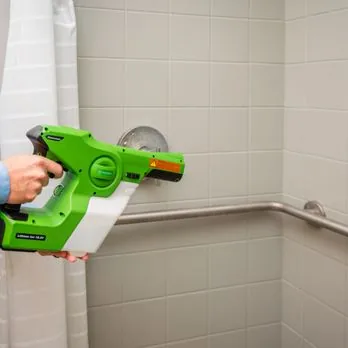
Medical facility cleaning works best when it is organized by area. Each room has different surfaces, traffic patterns, and expectations.
A vague instruction like “clean the clinic” is not enough. The scope should tell the crew how to handle exam rooms, waiting rooms, restrooms, staff areas, and floors.
Busy B uses room-aware cleaning plans for medical office cleaning in Las Vegas, part of our broader healthcare facility cleaning program.
For healthcare context, the CDC’s environmental cleaning procedures emphasize cleaning and disinfecting both low-touch and high-touch surfaces, plus floors, in patient care areas.
Exam Rooms
Exam rooms need careful, consistent work because patients and providers use the same surfaces throughout the day.
Common priorities include:
- Exam tables
- Counters
- Stools and chairs
- Cabinet pulls
- Door handles
- Light switches
- Sinks and faucets
- Trash
- Floors
The crew should understand which surfaces they are approved to clean and which items belong to clinical staff. The process should be consistent from room to room.
Waiting Rooms
Waiting rooms shape first impressions. Patients notice floors, seating, counters, odors, and restrooms before they notice anything else.
Waiting room cleaning should include:
- Chair arms and seating surfaces
- Tables
- Reception counters
- Door glass
- Entry mats
- Trash
- High-touch points
- Floors
Busy offices may need waiting room touch-ups during the day, especially during flu season or high-volume appointment blocks.
Restrooms
Medical office restrooms need more than a fast mop.
Restroom cleaning should include fixtures, counters, mirrors, partitions, dispensers, floors, corners, odor sources, and supply restocking. Public or shared restrooms may need checks during business hours.
Dirty restrooms can make patients question the cleanliness of the whole facility.
Staff Areas
Staff areas matter too. Break rooms, administrative offices, charting areas, and back-of-house spaces can collect food waste, dust, fingerprints, and floor soil.
Keeping staff areas clean supports morale and reduces the chance that clutter or spills carry into patient-facing spaces.
Floors
Floors are one of the easiest ways for a medical facility to look neglected.
Carpet can hold dust and stains. Tile grout can darken and collect odor. VCT can dull or yellow. Hard floors can show wear paths. In Las Vegas, desert dust accelerates all of this.
Routine vacuuming and mopping should be part of the daily plan. Periodic floor care should be scheduled based on traffic and floor type.
High-Touch Surfaces
High-touch surfaces exist in every area:
- Door handles
- Light switches
- Chair arms
- Counters
- Railings
- Faucet handles
- Dispenser buttons
- Payment terminals
These should be called out in the scope so they are not left to memory.
Quality Checks
Medical facility cleaning should be inspected. A supervisor should be able to walk the facility with the scope and verify whether the work was completed.
If something is missed, the provider should document it, correct it, and coach the crew so the issue does not repeat.
Bottom Line
Medical cleaning is strongest when the plan is room-by-room. Exam rooms, waiting rooms, restrooms, staff areas, and floors all need different attention.
The more specific the scope, the more consistent the cleaning result.
Frequently Asked Questions
Which medical office areas need the most attention?
Exam rooms, waiting rooms, restrooms, reception counters, and floors usually need the most consistent attention because patients and staff use them all day.
Should medical office floors be part of the cleaning plan?
Yes. Floors affect patient perception and sanitation. Vacuuming and mopping should be routine, with periodic carpet, tile, grout, or hard floor care scheduled as needed.
Why are waiting rooms important in medical cleaning?
Waiting rooms are high-touch, high-visibility spaces. Chair arms, tables, counters, doors, and floors influence patient confidence before the appointment begins.
Related Services
Ready to get started?
Schedule a free walkthrough and get a personalized quote for your facility.