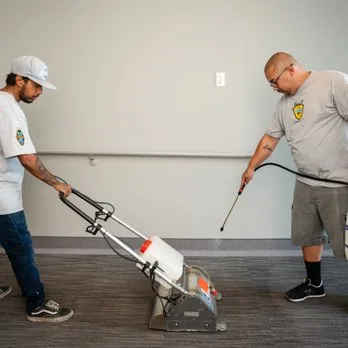
01
Recurring campus cleaning
Area-by-area tasks for classrooms, offices, restrooms, corridors, cafeterias, gyms, libraries, and other listed spaces.
Build the cleaning plan around the campus, academic calendar, facility-approved products, access requirements, and procurement documents.
A school-specific walkthrough should assign areas, tasks, frequencies, staffing layers, calendar projects, responsibilities, exclusions, and the evidence required before award.
✓ BBB A+ Accredited business profile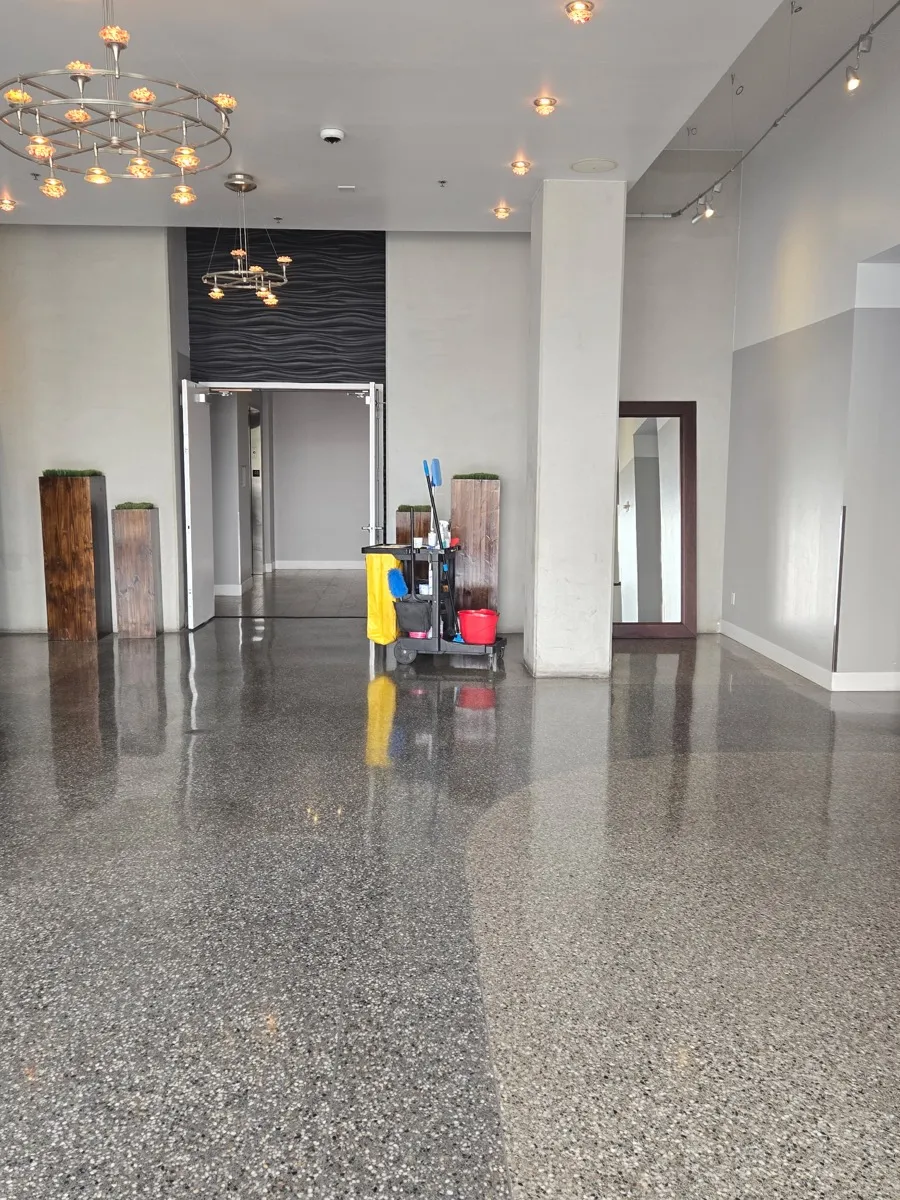
Before a proposal
Confirm the spaces, schedule, access, responsibilities, exclusions, and any vendor requirements that apply to this facility.
Each layer has different spaces, staffing, access, scheduling, and approval requirements. The proposal should make those differences visible.
01
Area-by-area tasks for classrooms, offices, restrooms, corridors, cafeterias, gyms, libraries, and other listed spaces.
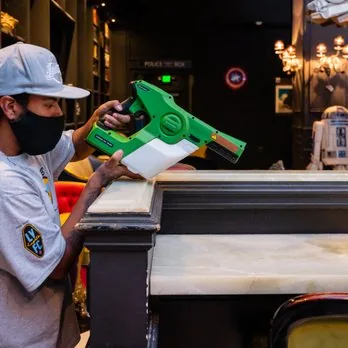
02
Separate staffing for occupied-hour checks, activities, athletics, community use, and defined event responsibilities.
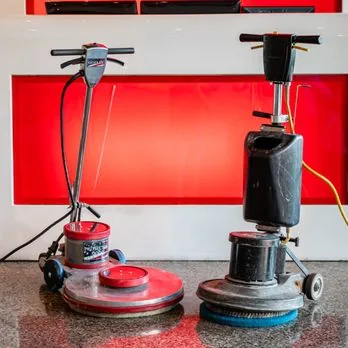
03
School-break detail work, floor projects, carpet extraction, or resets with their own scope, timing, and approval.
A school-cleaning proposal should list the buildings and spaces covered, then assign tasks and frequencies to classrooms, administrative offices, restrooms, corridors, cafeterias, gyms, labs, libraries, and activity areas as applicable. This is one part of a broader venue and event cleaning program built for high-traffic, schedule-driven facilities.
Local school procurement documents demonstrate why this level of detail matters: buyers evaluate area-by-area service, staffing, access, reporting, and contract requirements rather than a broad promise to keep the campus clean.
Routine after-hours cleaning is one layer. Day porter coverage, event support, school-break detail work, summer floor care, and illness-response requests are separate staffing and scope decisions.
The proposal should state what is included, what triggers an extra request, and how the cleaning window works around students, staff, athletics, after-school programs, and community use. Calendar projects should be planned early enough to account for access and reopening.
EPA school guidance emphasizes product selection, labeling, storage, ventilation, and reducing unnecessary exposure. Routine cleaning and disinfection should not be treated as interchangeable.
The school should approve the products, locations, procedures, and responsibilities that apply. Any disinfectant should be selected for its intended use and applied according to its label. Terms such as “child-safe,” “non-toxic,” or “EPA approved” should not replace product-specific documentation.
Ask who holds keys and alarm codes, how workers are identified, which spaces are restricted, what screening the school requires, how substitute personnel are handled, and how incidents or missed tasks are reported.
Verify current business and insurance documents, references for relevant work, screening records required by the school, and any procurement forms. Busy B’s previous background-check and CCSD-level claims were removed because the available research did not substantiate those specifics.
These sources support the general planning guidance on this page. They do not verify a vendor’s training, products, project history, or compliance.
School-specific planning guidance for product selection, labeling, storage, ventilation, and exposure reduction.
A voluntary product-identification program that can inform product review without blanket safety claims.
A local procurement example showing area-specific scope, vendor documentation, staffing, and contract evaluation needs.
No. A charter campus, private school, preschool, trade school, and multi-building campus can have different spaces, calendars, product rules, screening requirements, and access procedures.
EPA registers pesticides such as disinfectants and operates programs such as Safer Choice, but “EPA approved” is often imprecise. Products should be selected for the intended use and followed according to their labels.
The exact screening method, scope, frequency, and substitute-staff rules have not been documented for publication. A school should state its requirement and verify the records before award.
That claim is not substantiated by the available evidence. A buyer should identify the exact procurement or contract requirement and verify the corresponding document.
Same crews and same standards across the valley. Pick your area for local details and response times.
Busy B Groundskeeper and Floor Care
1711 S Highland Ave Suite K, Las Vegas, NV 89102
Covering Green Valley, Anthem, Lake Las Vegas.
View Henderson page →Covering Downtown Summerlin, The Trails, Red Rock Country Club.
View Summerlin page →Covering Apex Industrial Park, Craig Road Corridor, Aliante.
View North Las Vegas page →Covering Rainbow Boulevard Corridor, Jones Boulevard Area, Desert Breeze.
View Spring Valley page →Covering Downtown Las Vegas, Arts District, Centennial Hills.
View Las Vegas page →Share the campus type, buildings, rooms, academic calendar, product rules, access, screening requirements, procurement documents, and current problem areas. Ask for an area-by-area written scope.