VCT vs. LVT Flooring: What's the Difference?
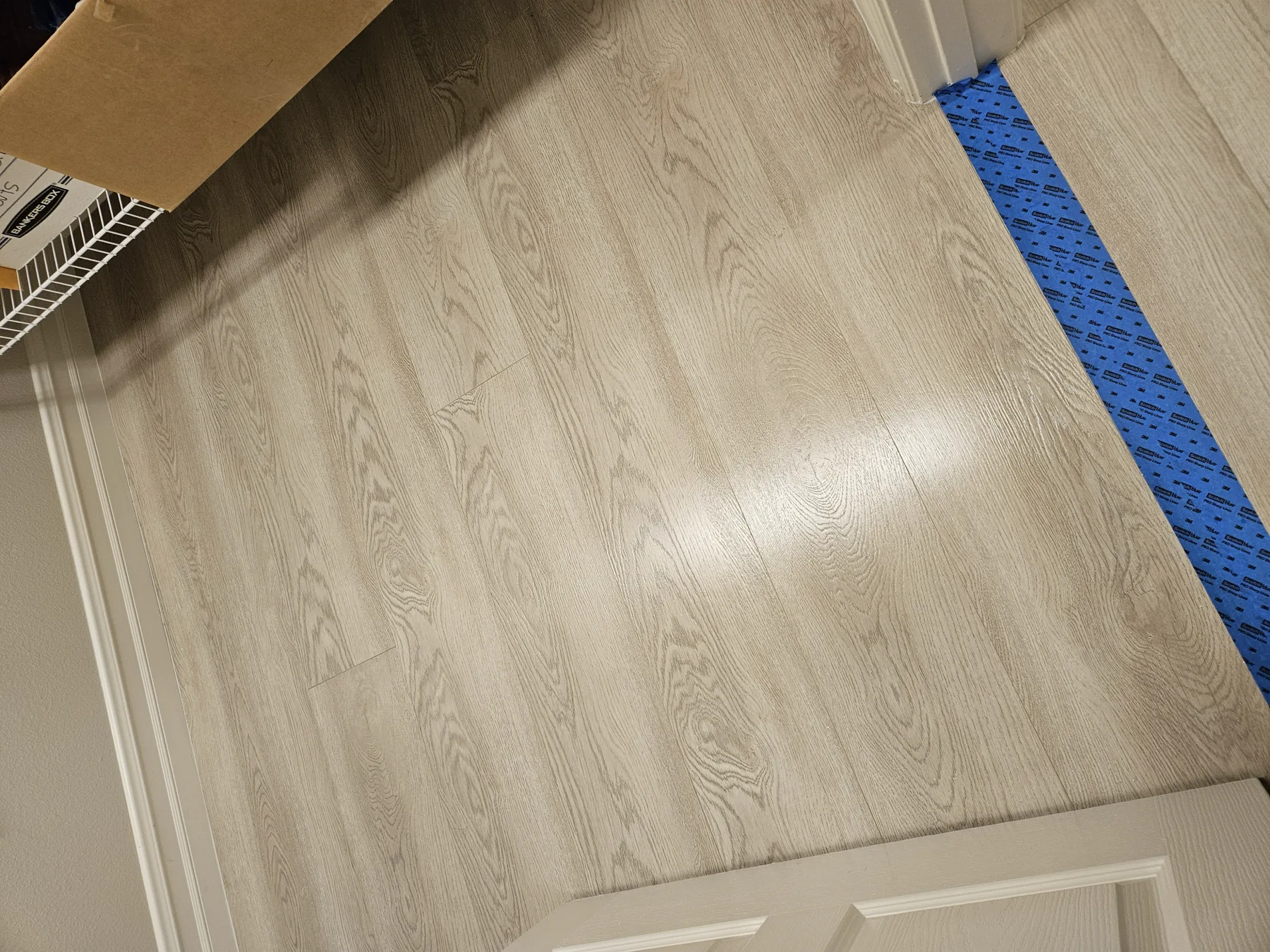
VCT and LVT are both commercial vinyl flooring categories, but they are built and maintained differently. VCT usually refers to vinyl composition tile with a separately maintained floor-finish system. LVT usually refers to a layered luxury vinyl product with a factory-applied wear or protective layer.
Neither is automatically the better choice. The right fit depends on the facility’s traffic, design goals, maintenance resources, installation conditions, repair expectations, and the exact product specification.
If you need the basic definition first, read What Is VCT Flooring? Composition, Uses, and Maintenance.
What Is VCT?
Vinyl composition tile is a resilient commercial tile made from a blended composition. AHF’s cited specification describes PVC resin, plasticizers, fillers, stabilizers, and pigments. Many VCT products use through-color or through-pattern construction, so the visual design is part of the tile rather than only a thin surface print.
VCT is commonly associated with a separately applied and maintained floor finish. That finish can be cleaned, maintained, recoated, or removed and replaced when the product system and condition warrant it.
What Is LVT?
Luxury vinyl tile is a layered resilient product designed to reproduce wood, stone, or other visual patterns. Many LVT products include a factory-applied wear or protective layer. The exact layers, wear layer, finish, installation method, and maintenance instructions vary by manufacturer.
That is why “LVT is no-wax” should be treated as a product question, not a universal rule. The manufacturer’s care instructions control.
VCT vs. LVT: Maintenance and Finish Requirements
| Decision | VCT | LVT |
|---|---|---|
| Surface system | Often uses a separately maintained finish | Often has a factory-applied wear or protective layer |
| Visual wear | Through-color or pattern can make wear less visually abrupt in relevant products | Surface wear depends on the product’s wear layer and finish |
| Routine care | Remove abrasive soil and use the approved cleaner and method | Follow the exact product’s cleaner, pad, and maintenance instructions |
| Restorative question | May involve scrub-and-recoat or full strip and refinish when the system permits | May require a manufacturer-specific repair or maintenance path rather than conventional wax |
| Identification | Product records matter; appearance is not enough | Product records matter; wood-look appearance is not proof of LVT |
The table is a framework, not a product specification. Two products in the same category can have different instructions.
Which Flooring Handles Commercial Traffic Better?
Both categories are used in commercial settings, but durability is not a single number. Consider rolling loads, foot traffic, carts, entrance soil, cleaning frequency, furniture movement, and whether the appearance must remain consistent across a large area.
VCT’s through-color or through-pattern construction can be useful where long-term appearance and modular tile replacement matter. LVT can be attractive when the design needs a wood or stone visual and the product’s factory finish matches the facility’s maintenance plan. Those are general selection considerations, not a guarantee for a particular product.
How Should a Facility Choose Between VCT and LVT?
Ask these questions before approving a product:
- What are the exact product layers and finish requirements?
- What cleaning chemistry, pads, equipment, and frequency does the manufacturer approve?
- How will entrance grit, spills, carts, and rolling loads affect the maintenance plan?
- Can damaged tiles be replaced without disrupting the surrounding area?
- Does the visual goal justify a product with more detailed or specialized maintenance?
- What records will the facility keep for future cleaning and refinishing decisions?
The best choice is the product whose maintenance requirements the facility can follow consistently—not just the product that looks best in a sample.
What If the Existing Floor Is Already Installed?
Do not choose a treatment from a photo. LVT, LVP, laminate, engineered wood, and VCT can look similar in a hallway image while requiring different products and methods.
Gather the manufacturer, product line, installation records, prior cleaner or finish information, and a description of the visible condition. If the floor is dull, identify whether the problem is loose soil, scuffing, wear in a finish layer, buildup, damage, or an unknown coating.
For a compatible VCT finish system that needs restorative attention, review the commercial VCT strip-and-wax service. If the material or problem is different, start with the broader commercial floor-care hub.
Need Help Identifying a Commercial Floor?
If an installed floor is dull or difficult to identify, gather the product information and visible condition before selecting a treatment. For VCT finish maintenance, see the commercial VCT strip-and-wax service; for broader material routing, use the commercial floor-care hub.
Frequently Asked Questions
Is VCT cheaper than LVT?
There is no responsible universal answer. Product, installation, subfloor preparation, labor, maintenance, replacement, and facility downtime can all affect total cost. Compare a complete lifecycle scope rather than a tile price alone.
Does LVT need wax?
Some products are designed around a factory finish or wear layer, but the exact maintenance instructions control. Do not apply conventional floor finish to an unknown LVT product.
Is VCT better for high-traffic buildings?
VCT is commonly used in high-traffic commercial settings, but the best choice depends on the exact product and maintenance plan. Traffic alone does not settle the comparison.
Can you strip and wax LVT?
Do not assume so. Check the manufacturer's maintenance system first. Some LVT products require a different approach from conventional VCT finish removal and reapplication.
Related Services
Ready to get started?
Schedule a free walkthrough and get a personalized quote for your facility.