01
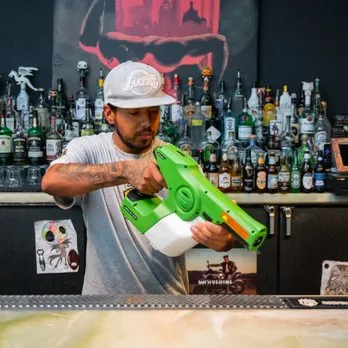
Guest-facing janitorial
Entrances, dining and bar public areas, restrooms, floors, glass, waste, and defined non-food-contact surfaces.
Separate guest-facing janitorial work, food-contact sanitation, grease-heavy cleaning, and commercial cooking exhaust responsibilities.
A restaurant-specific walkthrough should assign each area and task, document products and reopening conditions, and identify specialty work that remains with another qualified provider.
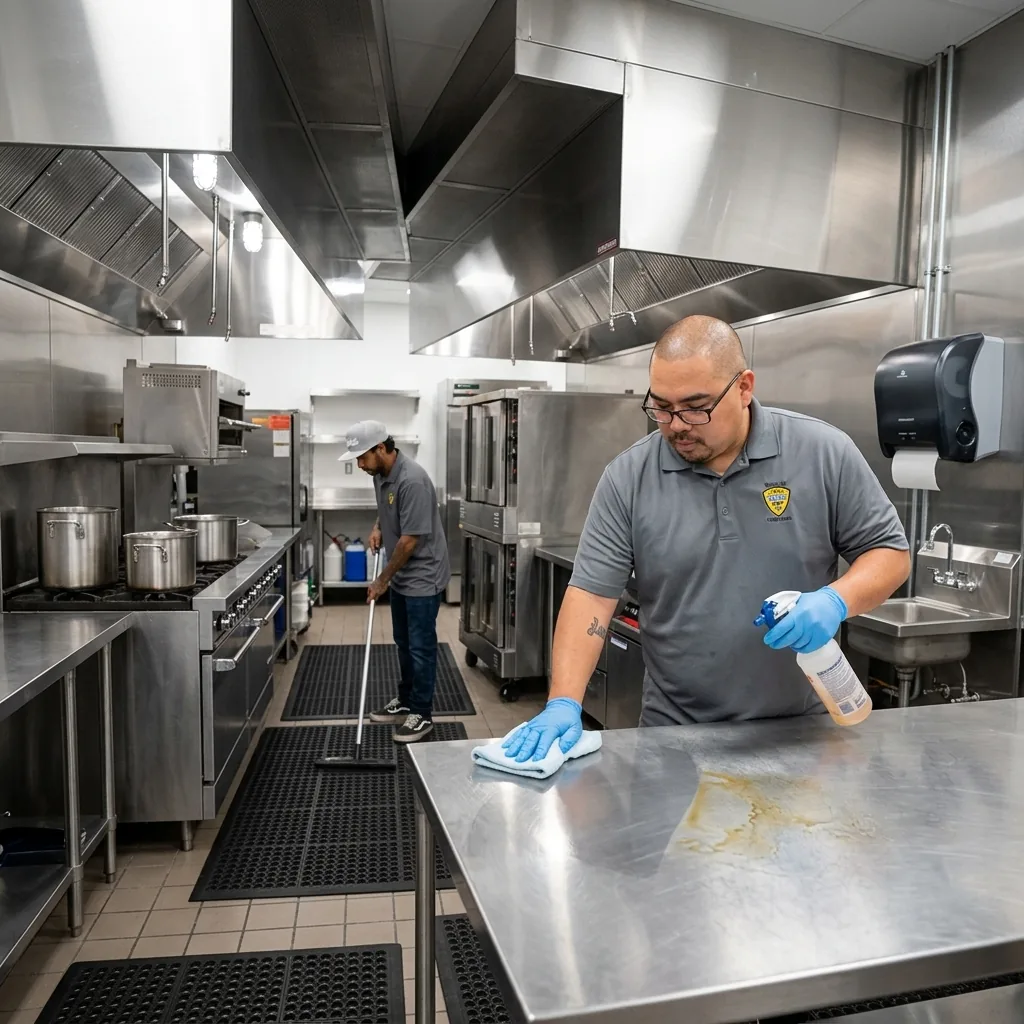
Before a proposal
Confirm the spaces, schedule, access, responsibilities, exclusions, and any vendor requirements that apply to this facility.
We've been with Busy B since DAY ONE over 10 years ago when I opened the Millennium FANDOM BAR. From the management to the employees, everyone is just wonderful!
As the current Housekeeping Manager for Club 36 we have been a loyal customer for years, and I continue to be impressed with Busy B's consistency and professionalism.
I use Busy B for commercial janitorial work including carpet cleaning and general cleaning of a 24-story building. They always give 5-star service. Would highly recommend!
Janitorial cleaning, food-contact sanitation, and commercial cooking exhaust work are different responsibilities and should never be hidden in one broad line item.
01
Entrances, dining and bar public areas, restrooms, floors, glass, waste, and defined non-food-contact surfaces.
02
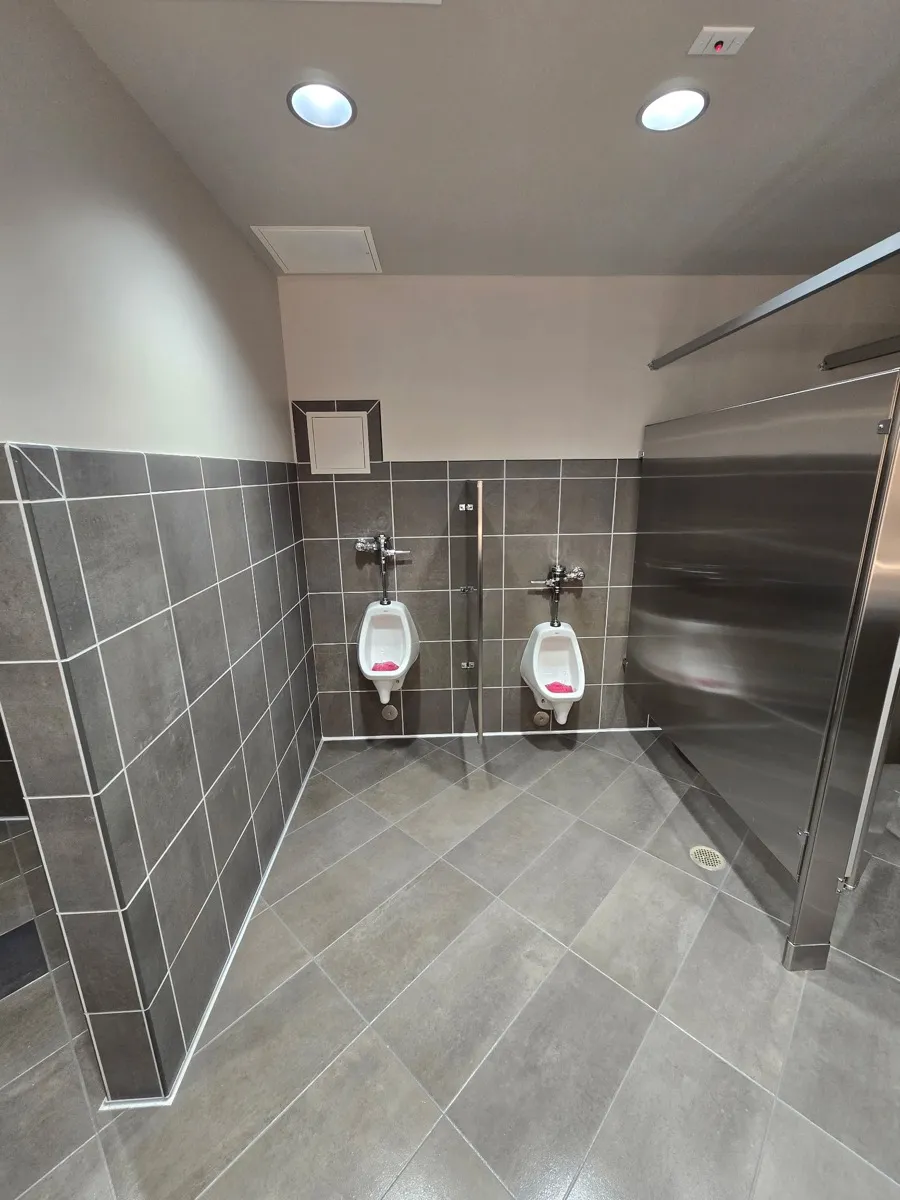
A written assignment for floors, walls, drains, equipment exteriors, food-contact surfaces, grease areas, and anything that cannot be moved.
03
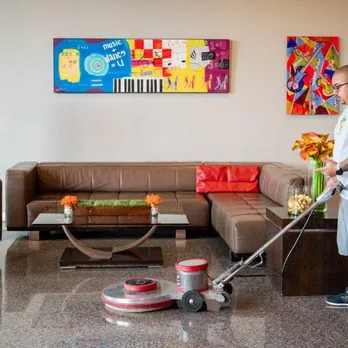
Commercial cooking exhaust, grease traps, equipment interiors, and other regulated or specialized work handled under separate qualifications and scopes.
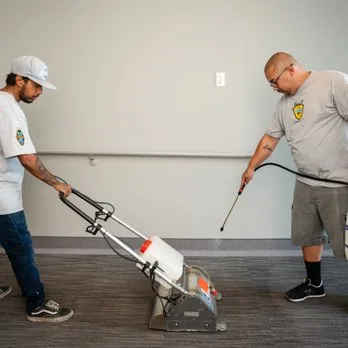
Restaurant janitorial can include entrances, dining and bar public areas, restrooms, floors, glass, waste, staff areas, and defined non-food-contact surfaces. It follows the same task-by-area approach as our broader janitorial services in Las Vegas. Tasks, products, and frequencies should be assigned by area.
A walkthrough should identify food storage, prep lines, cooking equipment, drains, walls, floors, mats, waste areas, and any equipment that can or cannot be moved. Grease-heavy deep cleaning, pest remediation, grease traps, biohazards, and equipment interiors should be explicitly included or excluded.
Food-contact equipment and surfaces are different from ordinary guest-facing janitorial work. The restaurant and cleaning vendor should document which party cleans, rinses, sanitizes, and verifies each assigned surface under the establishment’s procedures.
Products, concentrations, methods, contact times, storage, and reopening conditions should match the restaurant’s food-safety plan and applicable requirements. A broad “kitchen cleaning” line item does not establish those responsibilities.
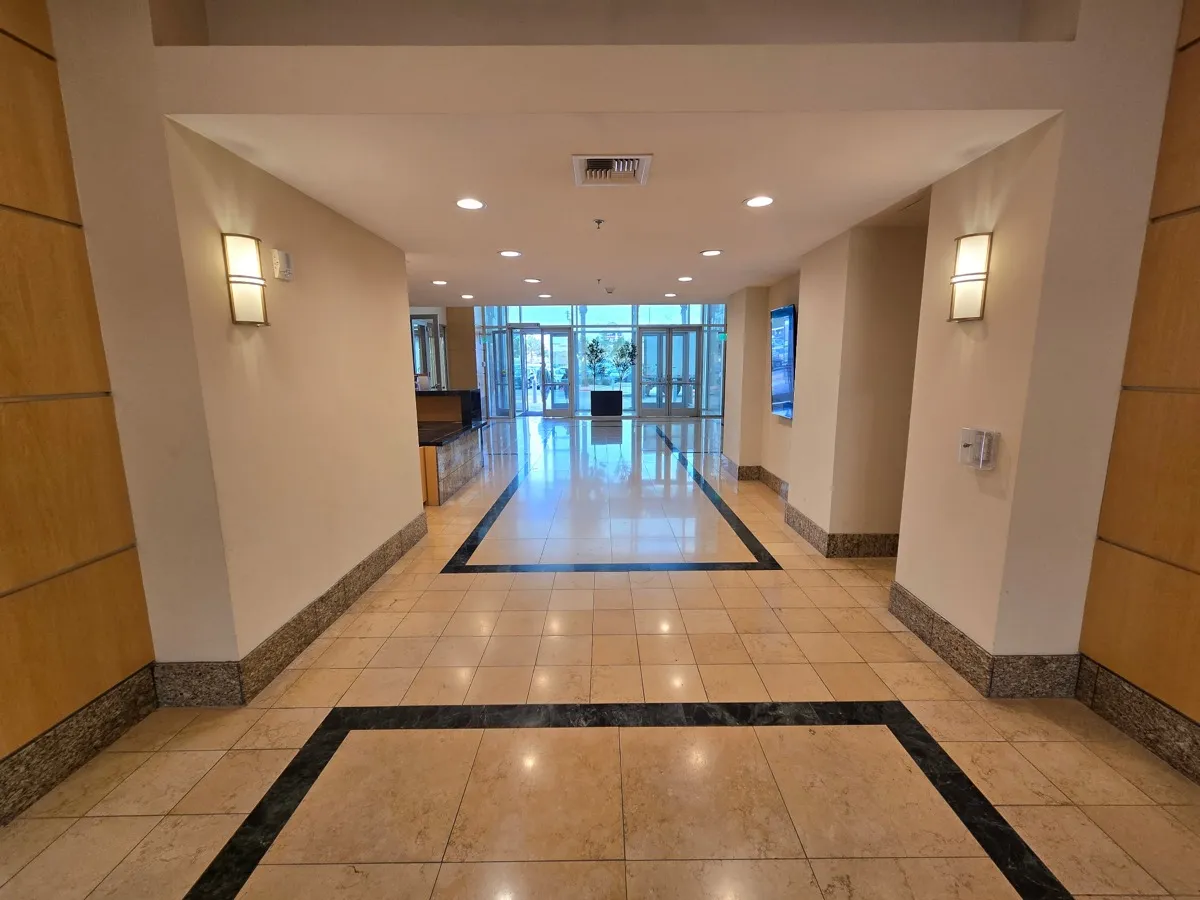
Visible canopy or ceiling surface work is not the same as inspecting and cleaning the commercial cooking exhaust system. Those assignments have different access, fire-safety, documentation, and qualification requirements.
NFPA 96 addresses ventilation control and fire protection for commercial cooking operations. Any exhaust-system inspection or cleaning should be separately scoped with an appropriately qualified provider and a frequency based on applicable requirements—not bundled casually into janitorial copy.
Provide operating hours, front- and back-of-house areas, food-contact responsibilities, floor materials, known grease zones, waste procedures, access, current specialty vendors, and any equipment restrictions.
The written proposal should identify products, task frequencies, exclusions, drying or reopening conditions, issue escalation, and specialty work that remains with another vendor. A cleaning company should not promise a health-inspection outcome because the operator controls many systems outside the vendor’s scope.
These sources support the general planning guidance on this page. They do not verify a vendor’s training, products, project history, or compliance.
Local regulatory source for food-establishment responsibilities in Southern Nevada.
Local guidance that helps distinguish cleaning, sanitizing, surfaces, and operator responsibilities.
Model food-safety provisions covering food-contact and non-food-contact surface requirements.
Standard addressing ventilation control and fire protection for commercial cooking operations.
Scope a one-time condition-based reset with clear inclusions and exclusions.
Compare how a facility-only scope is defined for another customer-facing property type.
Plan public-area and facility work without assuming restaurant or guest-room responsibilities.
Not automatically. The restaurant and vendor must document which food-contact surfaces, products, methods, and verification steps belong to each party under the establishment’s procedures.
Routine janitorial or visible canopy wiping is not the same as cleaning the commercial cooking exhaust system. Exhaust-system work should be separately scoped with an appropriately qualified provider.
It can be proposed, but the window, food storage, equipment condition, employee handoff, access, drying time, and reopening requirements must be documented.
No responsible vendor should guarantee an inspection outcome. The restaurant operator controls many food-safety systems beyond a cleaning vendor’s written scope.
Same crews and same standards across the valley. Pick your area for local coverage and service details.
Busy B Groundskeeper and Floor Care
1711 S Highland Ave Suite K, Las Vegas, NV 89102
Covering Green Valley, Anthem, Lake Las Vegas.
View Henderson page →Covering Downtown Summerlin, The Trails, Red Rock Country Club.
View Summerlin page →Covering Apex Industrial Park, Craig Road Corridor, Aliante.
View North Las Vegas page →Covering Rainbow Boulevard Corridor, Jones Boulevard Area, Desert Breeze.
View Spring Valley page →Covering Downtown Las Vegas, Arts District, Centennial Hills.
View Las Vegas page →Share the operating hours, front- and back-of-house areas, food-contact responsibilities, floors, grease zones, waste procedures, equipment restrictions, access, and specialty vendors.